And Roger: Mini Thoughts
Written & Produced by Devin M. Gabriel (Sage)
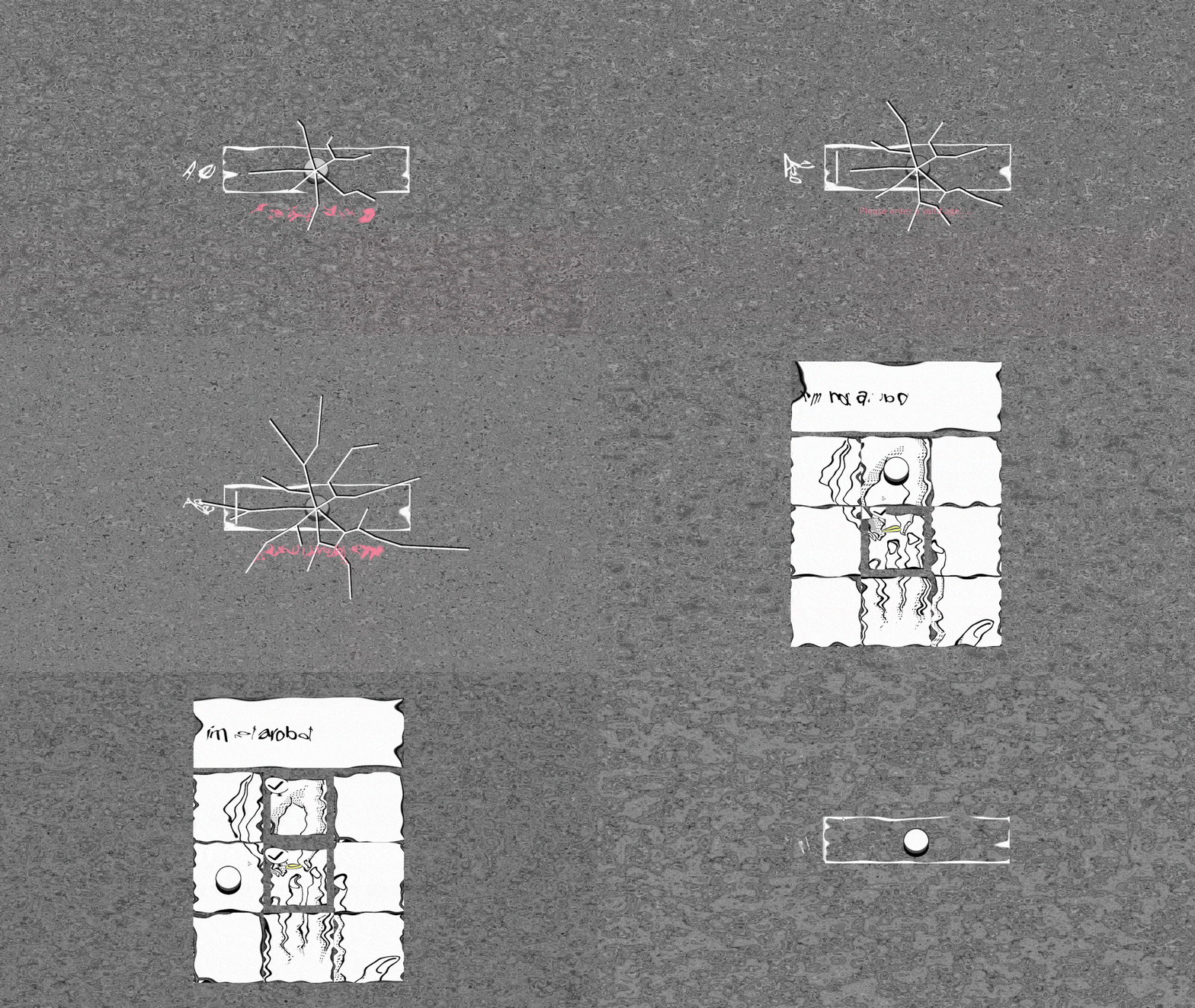
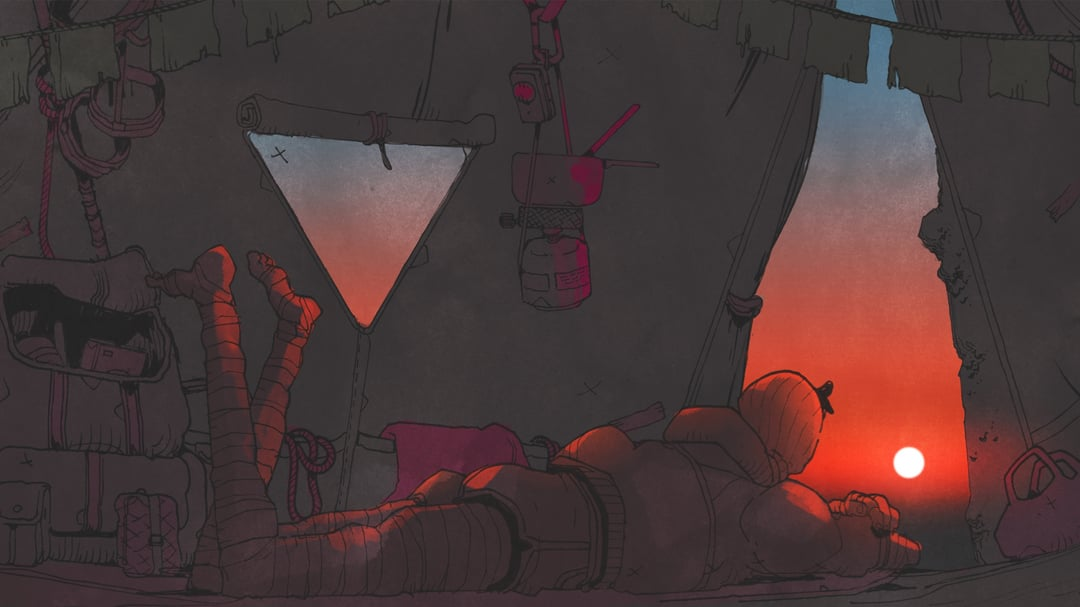
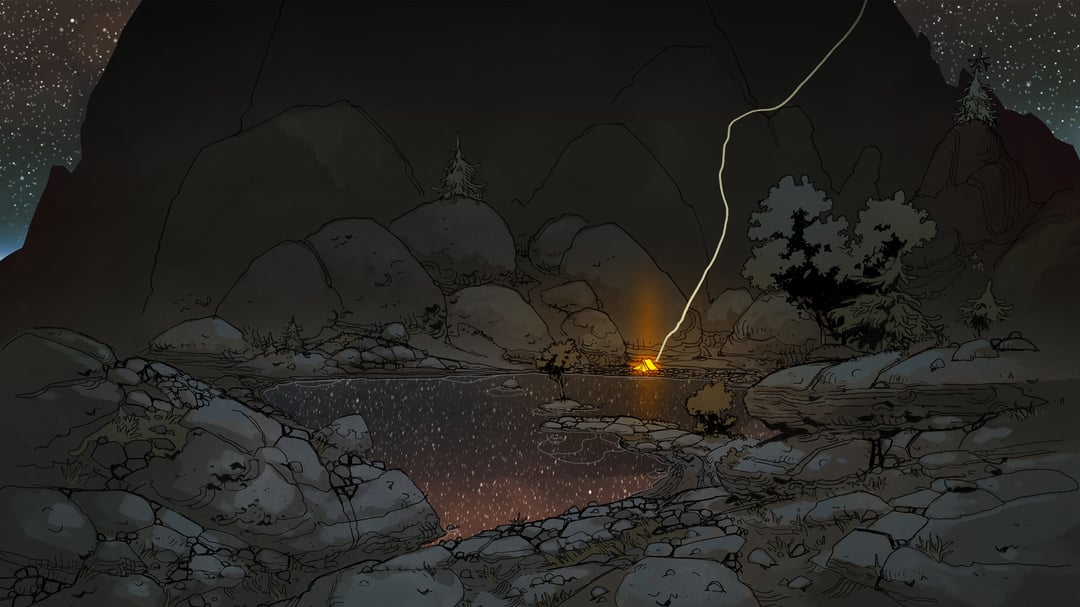
When people talk about the power of narrative aspects in video games, they often point to well-known greats such as The Last of Us, God of War, Final Fantasy VIII, or even new hits like Clair Obscur: Expedition 33. After playing and Roger, I believe this game belongs in the conversation, as it takes the interactive aspect of our industry and shows how exponentially more powerful it is than other mediums in its ability to connect players to others’ strife. Despite its short runtime, it has the same emotional depth, overwhelming pain, and human vulnerability that anyone can understand through its single-button experience.
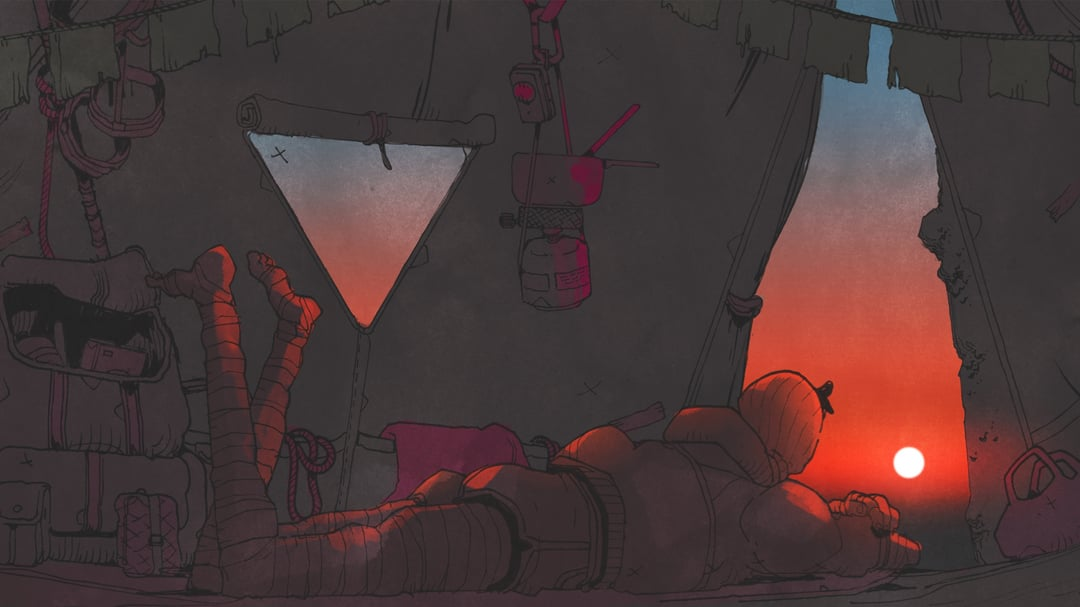
I knew almost immediately where the game was heading narratively, starting from its opening sequence and how it portrays dementia through Sofia. The bed sequence has an eerie essence that I have witnessed before. The repeated need to press the same button over and over again to just sit upright, until Sofia is fully hunched over, confirmed it for me. It communicated the level of exhaustion for those suffering with dementia and, for those who don’t know, should seal the experience as a reminder of what they go through.
The dialogue surrounding the brain being “asleep” while the body remains awake pulled me back into those memories of my own family that are suffering through this. From that moment, it engrossed me in the experience. I could only feel the horror. Having to push through Sofia’s confusion and make sense of her surroundings, surroundings that I know she will forget eventually, was devastating. Watching and piloting Sofia as dementia voraciously consumes her memories and her consciousness throughout the three chapters left me in a place not many games have before.
What and Roger captures exceptionally well is not just the experience of being a victim of dementia, but also the pain that a caretaker will carry for that person’s life. You have to watch someone you love slowly fade in pieces rather than all at once. It leaves you wondering what’s worse of the two devastating options presented to you. There are good days that give you hope the worst has finally subsided, but then the bad days arrive more often than you’re prepared for. And even when you try to prepare yourself, the situation will never go as planned.
Those suffering don’t fully understand what’s happening to them. It is not their fault. They wouldn’t want to place the burden on you if they could remember, and Roger understands this deeply. Through its pacing, gameplay mechanics, and visuals, it captures the pain many across the globe deal with. Then it highlights the one human constant that can wrangle that pain into a manageable condition using the unconditional love found within us all.
My Iteration Wishlist
None
Dev Lessons
Repetition to invoke empathy through frustration.
Communicatation of emotion more powerful than dialogue.